Selected evidence

Claims should be visible, bounded and reviewable.

I separate work delivery from personal engineering and state what each example proves—without stretching it into a larger claim.

Four kinds of proof

Built, transferred, and operated.

Each example demonstrates a different capability. Their boundaries are part of the evidence.

Work · Handoff 02

Agentic IT support PoC

Built a bot-first support journey, then coached the delivery team on prompts, tools, escalation and productionisation.

What this proves: I can shape a use case, prove the path, and transfer it instead of keeping the knowledge with one builder.
Personal · Engineering lab 03

Multi-agent platform

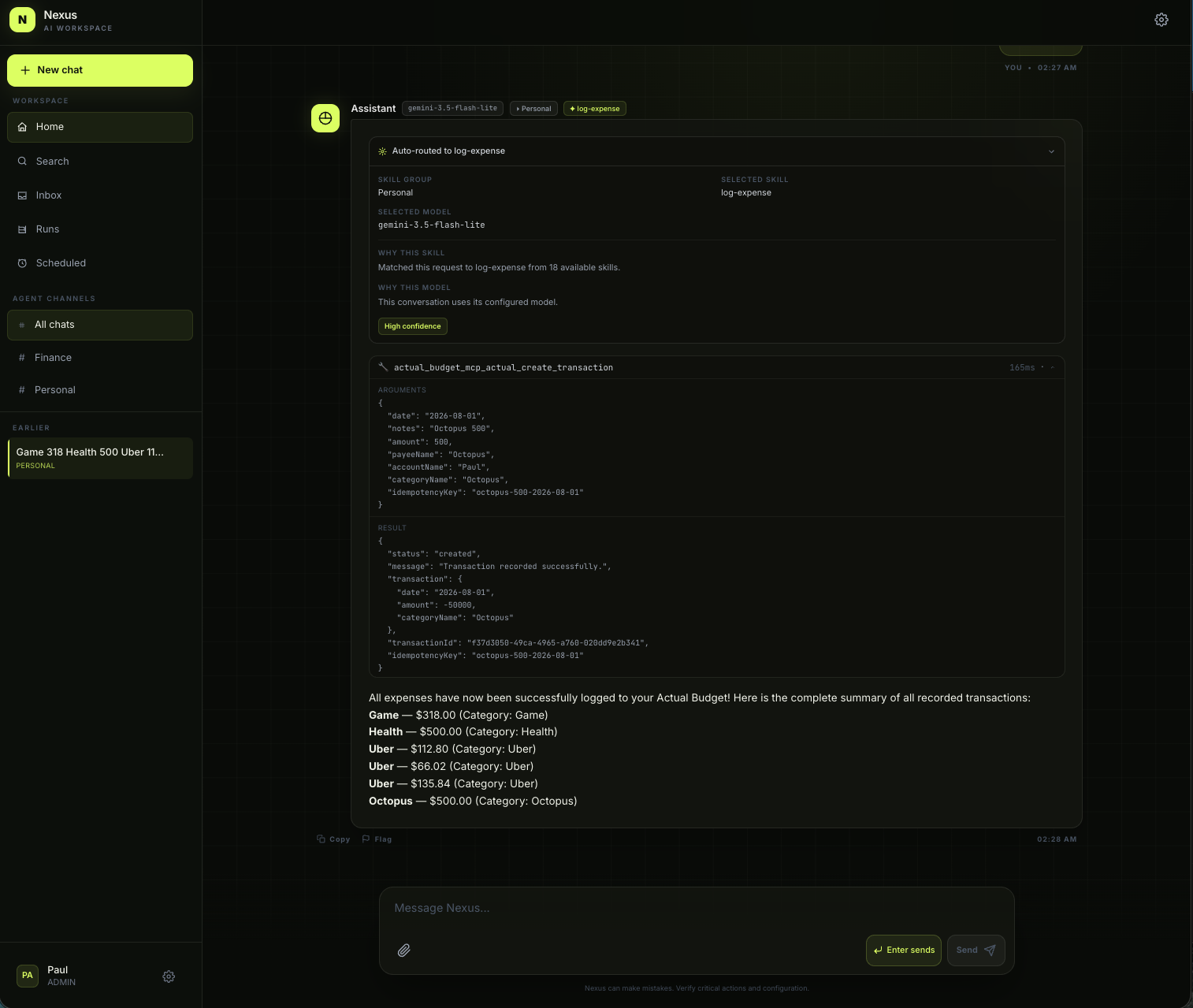
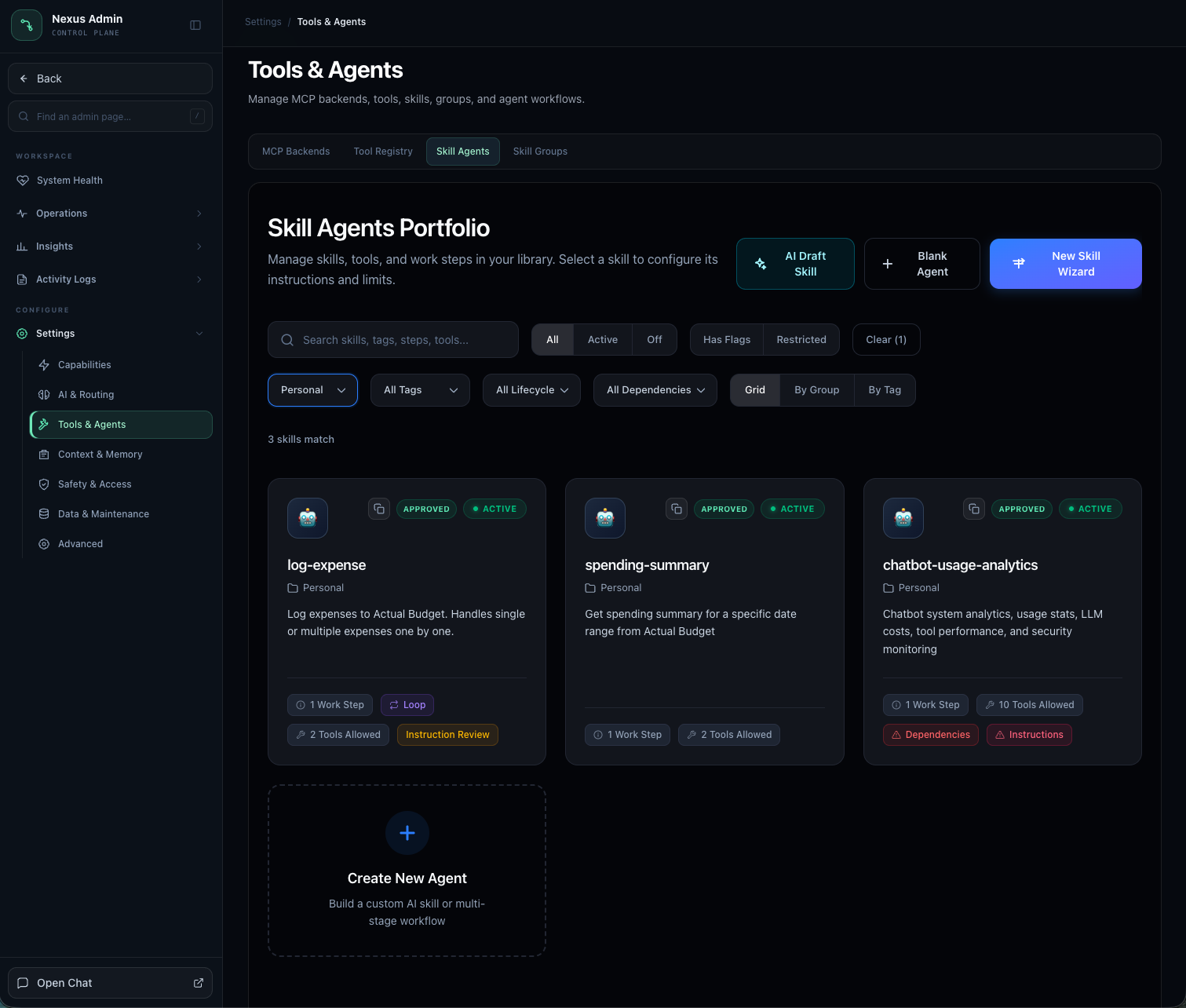
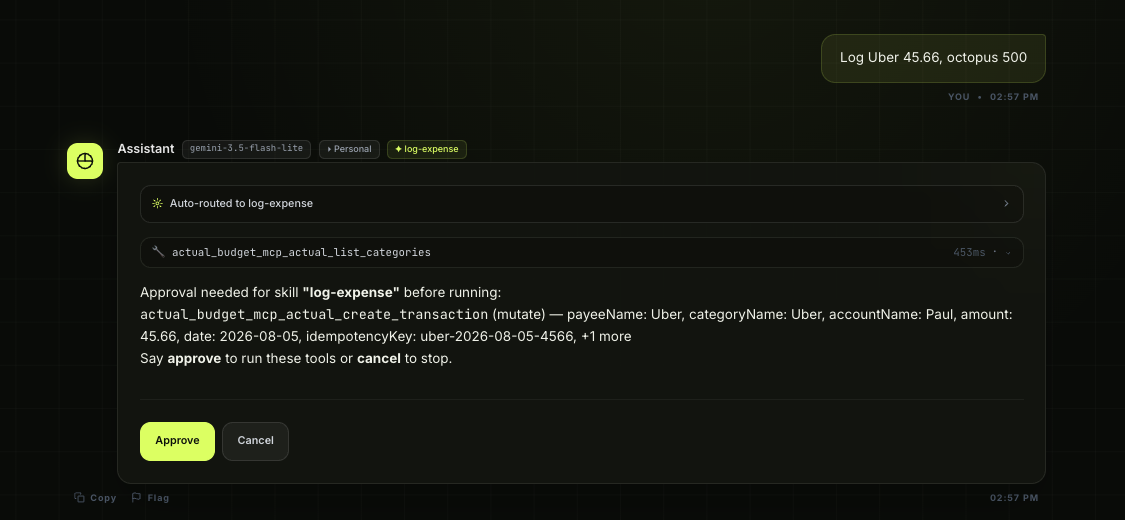
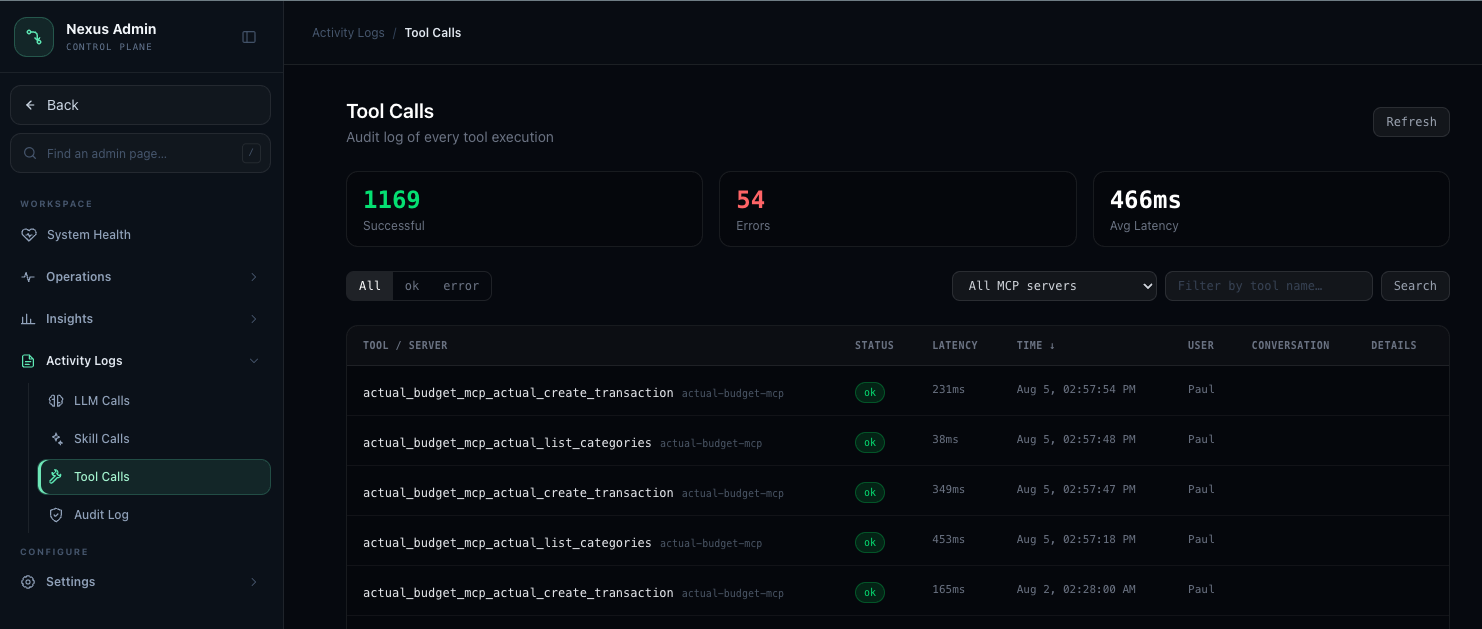
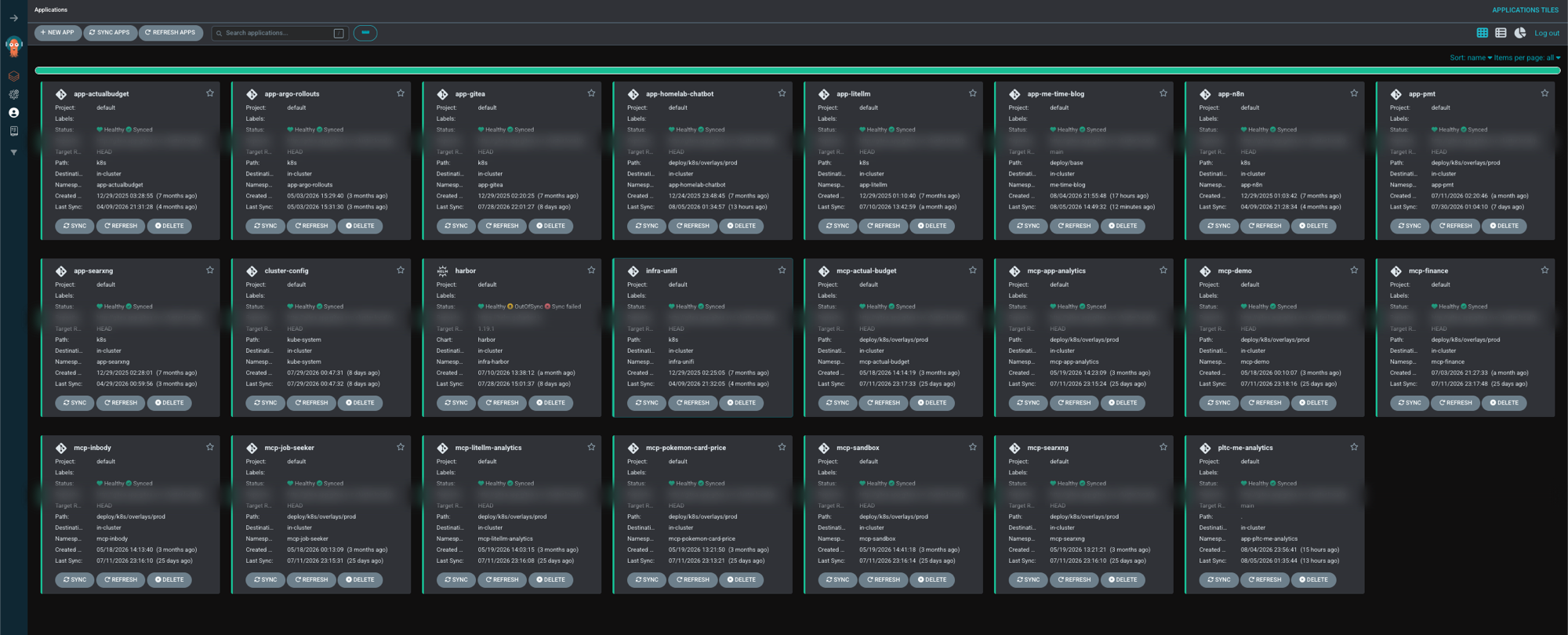
A self-built environment—Next.js, TypeScript, PostgreSQL, Kubernetes—for understanding orchestration, MCP tools, multi-model routing through LiteLLM, approvals, policy, audit and operations as one system.

Honest boundary: serious personal engineering, not presented as enterprise traffic, revenue or staffed production scale.
Personal · Live on this site 04

First-party analytics platform

A self-built Stats API measuring this site right now: public beacon with bot filtering and rate limits, token-authenticated product metrics, a k-anonymity guard in Postgres, and Metabase dashboards—deployed by GitOps on my own cluster.

Verify it live: loading this page sent one anonymous pageview—no cookies, no stored IPs, and visitor hashes that cannot be linked across days.

Current case summary

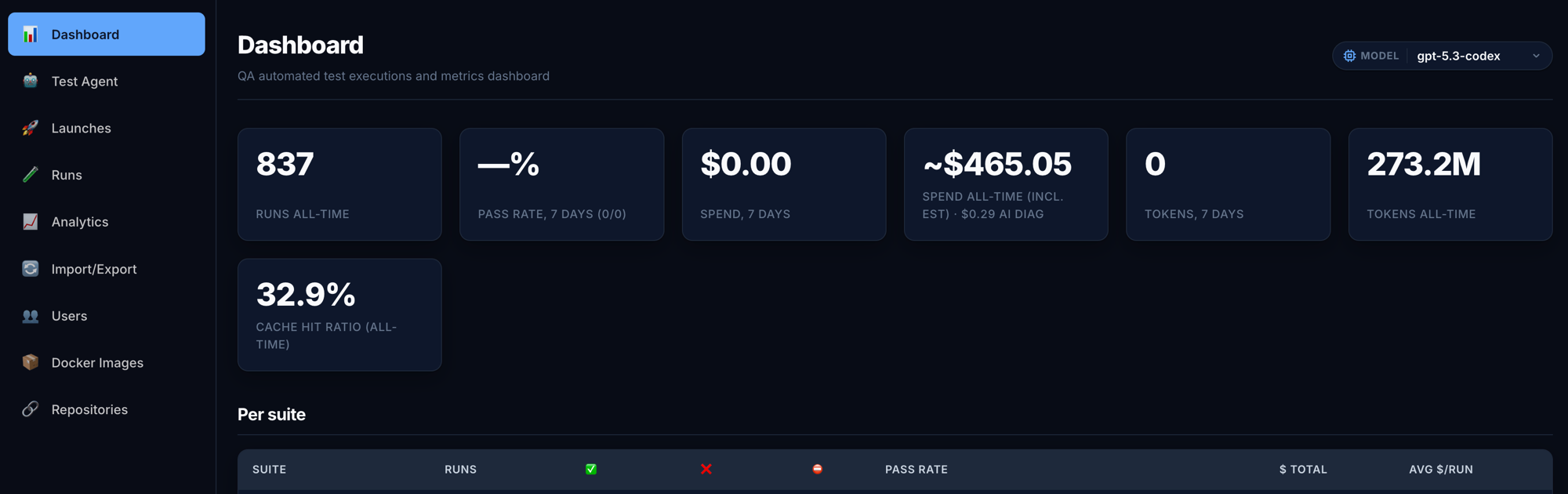
More regression, without turning QA into programmers.

The value was not “AI writes tests.” The value was converting QA intent into repeatable work while preserving evidence and human responsibility.

01 · Problem

Manual capacity limited breadth

Development progress outpaced the amount of repeatable regression QA could cover.

02 · Change

QA writes intent in plain language

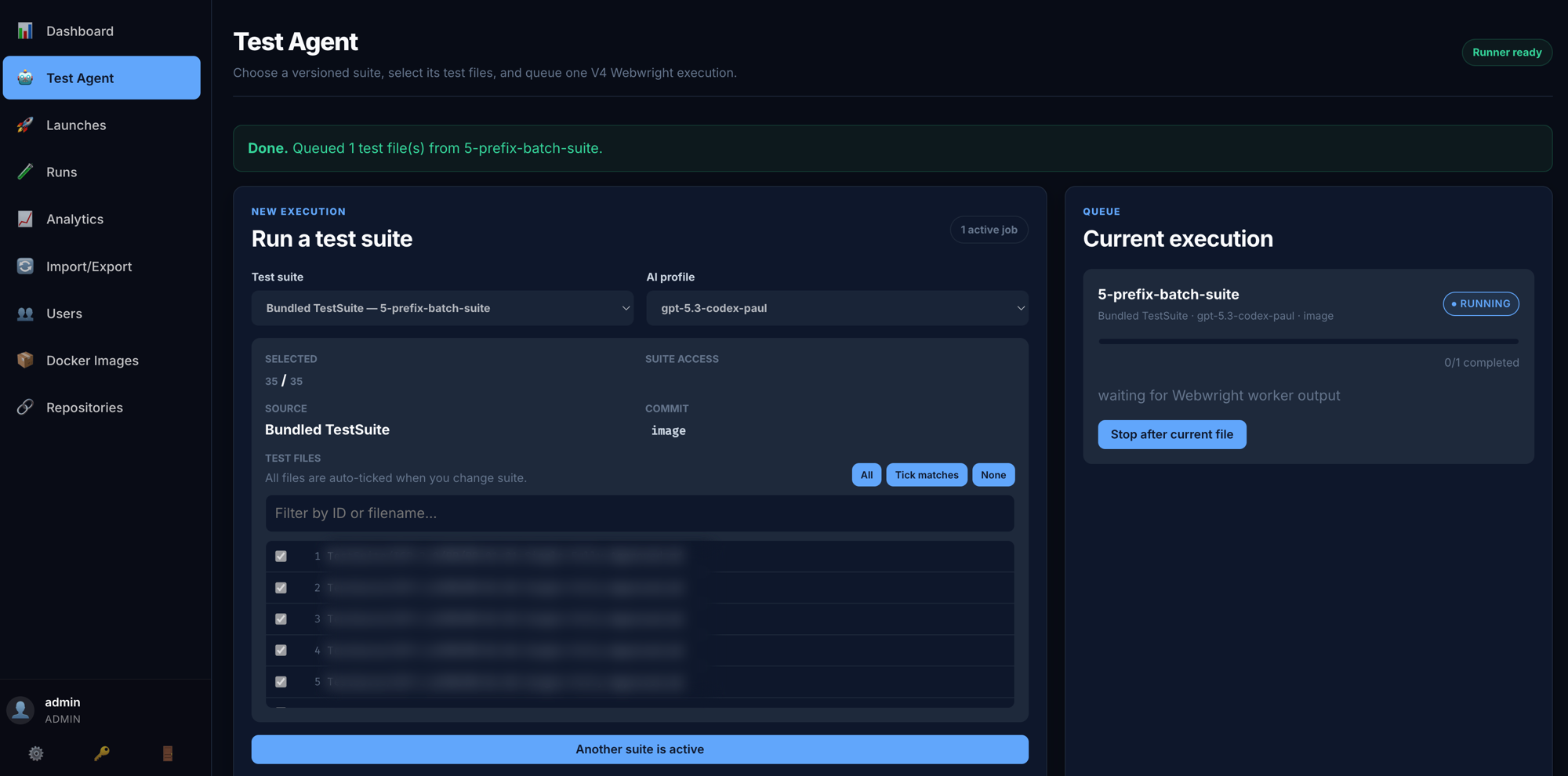
Azure OpenAI interprets the current step, acts in the browser through Playwright MCP and records what happened.

03 · Control

Evidence closes the step

Visible state, captured values and execution history support pass, retry or fail.

04 · Recovery

Failed steps self-heal with context

A failure is not blindly retried. The AI receives the previous failure, selector strategy hints, the attempted history and the current page state, then adapts its next action.

05 · Outcome

Wider regression and system testing

The repeatable regression scope expanded from about 10% to 80%, creating more room for system-level testing.

Inside the personal platform

One system. Six layers. All self-built.

The multi-agent lab exists to understand the full stack of agent operations—not just prompts. Every layer below runs today on my own Kubernetes cluster.

01 · Interface

Chat and admin surfaces

Next.js and React in strict TypeScript, with multi-turn pending-state workflows and cross-session memory.

02 · Agent runtime

Stateless orchestration

DAG-based agents with per-node instructions, approval gates, skill routing and autonomous loops.

03 · Model routing

Multi-model by design

Claude, OpenAI, Gemini, Qwen and local Ollama models routed through a LiteLLM proxy with usage analytics.

04 · Tools

16 MCP services

Search, finance, analytics, sandboxed execution and more—each behind a validated tool boundary.

05 · Governance

Controls in code

RBAC, a scoped policy engine, audit trails, encrypted API keys and Vault-backed secrets.

06 · Operations

Run like production

Kubernetes with Kustomize overlays, sealed secrets, Gitea CI/CD and 139+ automated tests as quality gates.

The operating principle

Evidence before adjectives.